




Safe, Supportive Housing for New Beginnings

At National Church Residences, we believe everyone deserves a safe place to call home. Our permanent supportive housing communities provide more than just a place to live–they offer a foundation for rebuilding lives. Through our “Housing First” approach, we provide stable, affordable senior communities paired with comprehensive support services personalized to each individual’s needs.

Our supportive housing communities assist adults 18+ who are experiencing homelessness or living with a disability, with additional dedicated programs for veterans. We understand that having a secure home is the first step toward stability, and our dedicated teams work alongside residents to promote mental, emotional, physical, and financial well-being while connecting them to resources that support their journey toward independence.

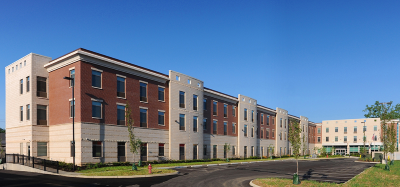
Commons at Third

Providing Secure, Dignified Homes

Designed with Residents in Mind

Our communities provideare fully furnished apartments which include 24-hour staffed entrances, security systems, accessible units, computer centers, and laundry facilities.
senior and woman sitting together

Holistic Resident Support

Empowering Services and Programs

We provide case management, life skills training, health education, employment services, financial assistance, and educational programs designed to help residents build stability and achieve independence.
senior hands writing on paper with a pen

Get Started – Application Process

What to Expect When Applying

All applicants must be referred through their local Coordinated Entry System. Contact Community Shelter Board (Columbus, OH), Strategies to End Homelessness (Cincinnati, OH), or Toledo Lucas County Homelessness Board (Toledo, OH to start.

Fostering Stability, Skills, and Community with Heart

Our communities combine secure, senior affordable housing with holistic support services that address the whole person. Each fully-furnished apartment provides comfort, while on-site care helps residents build stability, develop skills, and reconnect with their community.

senior hands typing on a laptop
Community Reengagement

Where Relationships and Skills Flourish

We offer social and recreational activities designed to help residents reconnect with their community and build meaningful relationships. Our workforce development programs provide opportunities to finish education, develop job skills, and find employment or volunteer work. Through partnerships with local organizations and government entities, we provide computer and financial literacy programs, and other essential life skills that support long-term success and self-sufficiency.

Your Permanent Supportive Housing Questions, Answered

Who is eligible for permanent supportive housing?

Our communities help adults 18 and over who are experiencing homelessness or have a disability, and who meet income guidelines for income-based housing. Some communities are specifically designed for homeless veterans.

How do I apply for permanent supportive housing?

All applicants must be referred through your local Coordinated Entry System. Contact the Toledo Lucas County Homelessness Board, Strategies to End Homelessness (Cincinnati), or Community Shelter Board (Columbus) to begin the process.

What types of care are available if health needs change?

u003cspan style=u0022font-weight: 400;u0022u003eMany of our communities offer a full spectrum of care, allowing residents to transition to higher levels of care, such as memory care or skilled nursing, so you or your loved one can continue to receive familiar support without leaving the community.u003c/spanu003e

What services and amenities are available at permanent supportive housing communities?

Our communities offer 24-hour staffed entrances, security systems, fully furnished apartments, on-site laundry, computer centers, case management, life skills training, employment services, health education, and crisis intervention support.

How long can I stay in supportive housing?

Permanent supportive housing is not time-limited. Residents may remain as long as they continue to meet eligibility requirements and follow community guidelines, providing long-term stability and support.